Cultural Tapestry of Farewell: Social Fabrics and Cultural Customaries in India
Wiki Article
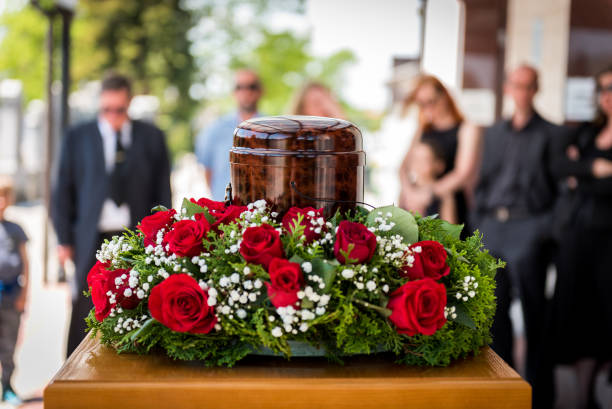
Across the vast and diverse landscape of India, traditions associated with honoring an individual's passing represent a profound expression of collective heritage. Across every regional territory, the traditions associated with honoring an individual's earthly chapter are rich with regional artistry, historical significance, and intricate social customs. Far from viewing departure with isolated sorrow, these ceremonies strengthen social continuity, reinforcing family bonds, strengthening neighborhood networks, and preserving ancestral etiquette. The initial hours of the ceremonial gathering are characterized by meticulous cultural preparation. Family members gather to perform traditional preparation rituals preserved within family lines. The individual is adorned in clean, elegant garments that reflect regional dress customs. In many traditions, classic white attire is selected, reflecting social balance, harmony, and pristine beauty. Among various ethnic lineages, festive cultural cloths are selected to celebrate an elder's wisdom and societal contributions. Fragrant floral arrangements play an irreplaceable role within these home observances. Artistically woven wreaths of sweet jasmine, brilliant marigolds, and fresh roses are carefully arranged around the individual. This floral art serves a profound purpose; they represent the vibrant beauty of life and the honor bestowed by the family. Anointing with cooling sandalwood, pure rose oils, and herbal extracts underscores the high level of respect, hygiene, and beauty present in the household. Among the most celebrated social features in regional subcontinental customs is the solemn walk of honor from the family residence to the community resting grounds. Referred to as a collective march of respect, this communal journey turns family sorrow into a dignified public tribute. Fellow villagers and urban neighbors join together in front of the family home, wearing simple white traditional attire to demonstrate solidarity and visual harmony. The individual is carried upon a gracefully constructed frame made from natural bamboo, adorned with fresh green leaves, traditional woven textiles, and rich floral garlands. As the walk progresses toward the resting destination, members of the community step forward to take turns carrying the frame upon their shoulders. This physical act of sharing the weight is a profound gesture of social unity, showing that the entire neighborhood shares the family's burden. Across numerous localities, gentle instrumental music played on traditional flutes, drums, or bells accompanies the procession, creating a rhythmic and dignified atmosphere that announces the passing of a respected community member to the surrounding neighborhood. India's immense cultural diversity manifests clearly in the varied funeral customs observed across different geographical regions and ethnic groups. Although the foundational principles of hospitality and honor are shared everywhere, the outward ceremonial forms adapt uniquely across different climatic, geographic, and cultural zones. Once the initial rites conclude, family life shifts into a structured phase of quiet reflection, generally spanning ten to thirteen days. During this timeframe, the household remains open as a hospitality space for neighbors, extended family lines, and well-wishers who drop in to share comfort and honor the family. Receiving guests with warmth remains a top priority. Wholesome vegetarian dishes are cooked continuously to serve all guests who arrive to honor the family. This tradition of sharing meals fosters deep emotional connection, encourages the sharing of fond memories, and ensures that the grieving household is fully supported with daily necessities by the broader social network. The closing of the formal hosting phase features a generous community gathering. Elders speak about the individual's life legacy and community service, preserving family heritage for children and grandchildren. Acts of charitable giving—such as donating clothing to community members, distributing food to those in need, or supporting local educational initiatives—are organized as a meaningful tribute, building a lasting legacy of kindness and civic care.
Dead Body Transportation in Pune Indian society approaches the honoring of the departed with a unique blend of communal togetherness and structured ritualism. Across both historic towns and modern neighborhoods, the arrival of extended family and supportive neighbors forms the cornerstone of every ceremonial proceeding. These time-honored practices offer a meaningful space through which communities offer mutual support, demonstrate respect for elders, and celebrate the enduring influence of a person's life legacy.
Dignified Preparation and Family Care
The Solemn Procession: A Walk of Shared Respect
Cultural Feature
Traditional Medium
Community Role
Clothing
Traditional White Attire
Represents purity, equality, and shared grief.
Palanquin Frame
Woven Bamboo and Foliage
Reflects connection to nature and traditional craftsmanship.
Floral Adornments
Marigolds and Jasmine
Expresses high regard, warmth, and artistic beauty.
Natural Essences
Cooling Sandalwood and Rose Essence
Ensures sensory grace and natural care.
Subcontinental Diversity in Farewell Customs
Kallahalli Crematorium Whether the final resting customs involve traditional earthen burials or ceremonial fire arrangements, the emphasis stays firmly placed on cultural values of returning the physical form to nature's fundamental components with complete respect for the earth and ancestral eco-friendly customs.
Hospitality, Remembrance, and Social Continuity
Conclusion: An Enduring Legacy of Respect
Kengeri Crematorium The farewell traditions of India present a masterclass of deep-seated hospitality, cultural elegance, and mutual care. Through turning a time of loss into an honorable display of community unity, these practices highlight the power of family bonds and social networks. Through beautiful floral arrangements, white-clad processions, regional artistry, and generous hospitality, this heritage celebrates the completed life of every member and keep their rich social fabric alive for years to come.